Curved surfaces
Can Thin Stone Curve? Ideas for Columns, Bars, and Furniture
Thin stone can bring warmth and movement to curved features. See where it works well, what shapes the finished look, and what to try before you commit.
Can thin stone work on my curved wall, column, bar, or cabinet?
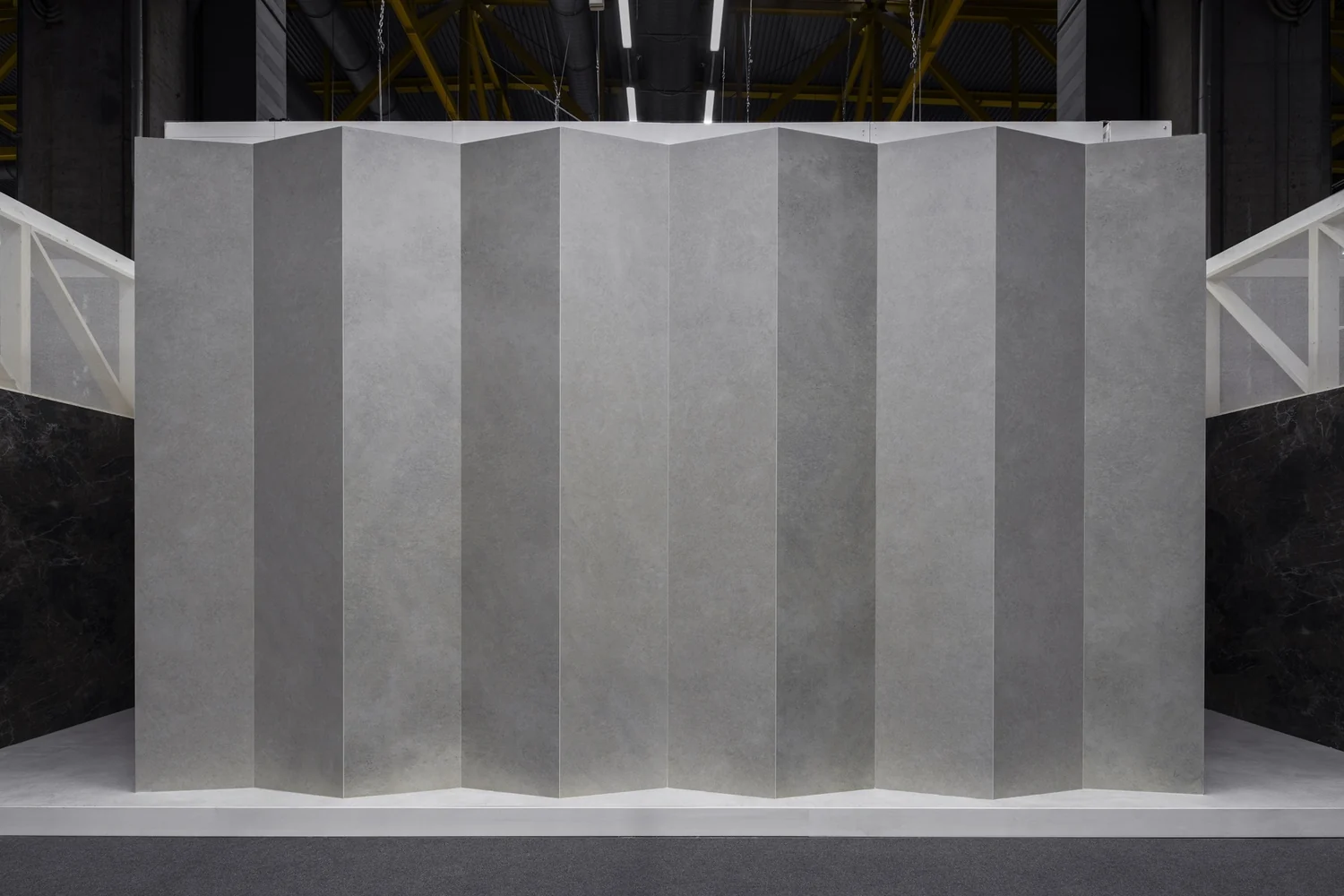
Yes, real stone can wrap a column, soften a bar front, or give fitted furniture a richer finish. Thin stone makes these shapes possible without the bulk of a slab. The key is to choose the stone around the shape—not force a favorite finish onto a curve it cannot follow.
Where curves make the biggest difference
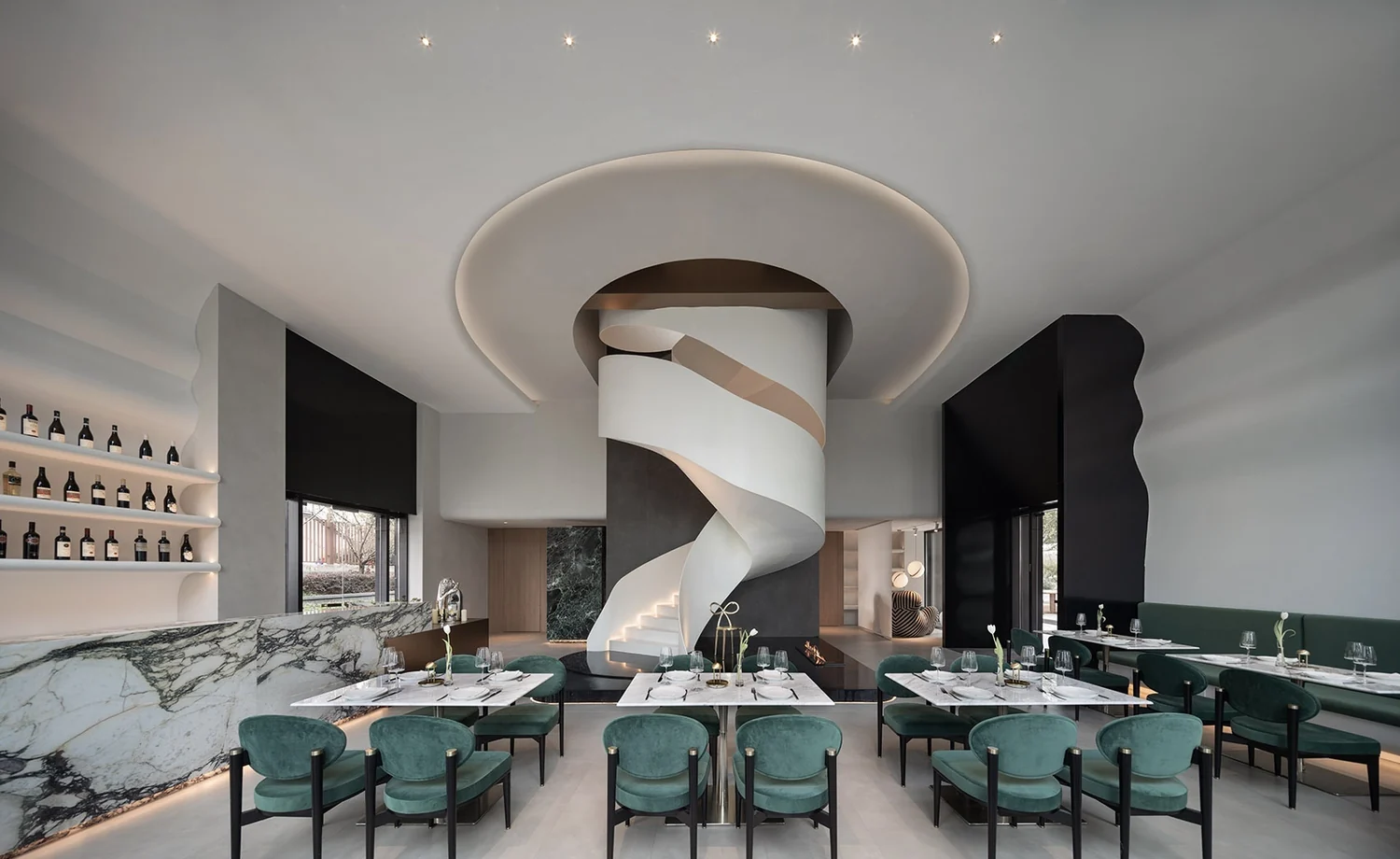
Curves naturally invite touch and movement. Stone can make a rounded reception desk feel more substantial, turn a plain column into a feature, or connect a bar front to the shape of the room.
Start with the view people will notice first. A curve seen from across a lobby needs a strong overall gesture. A cabinet or table seen close up benefits from quieter movement and carefully placed edges.
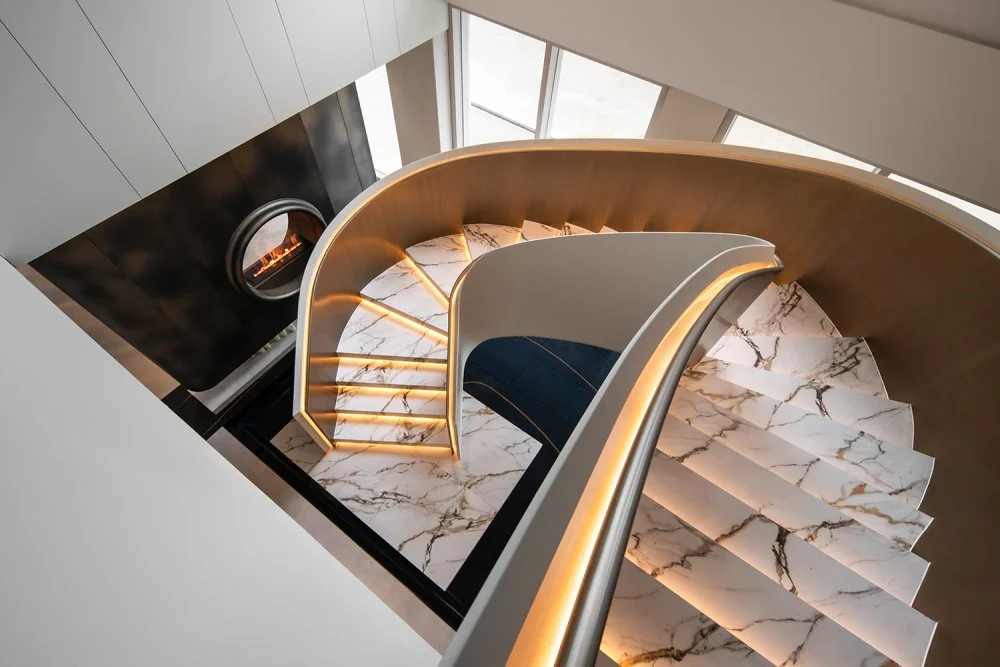
Choose how the stone should flow
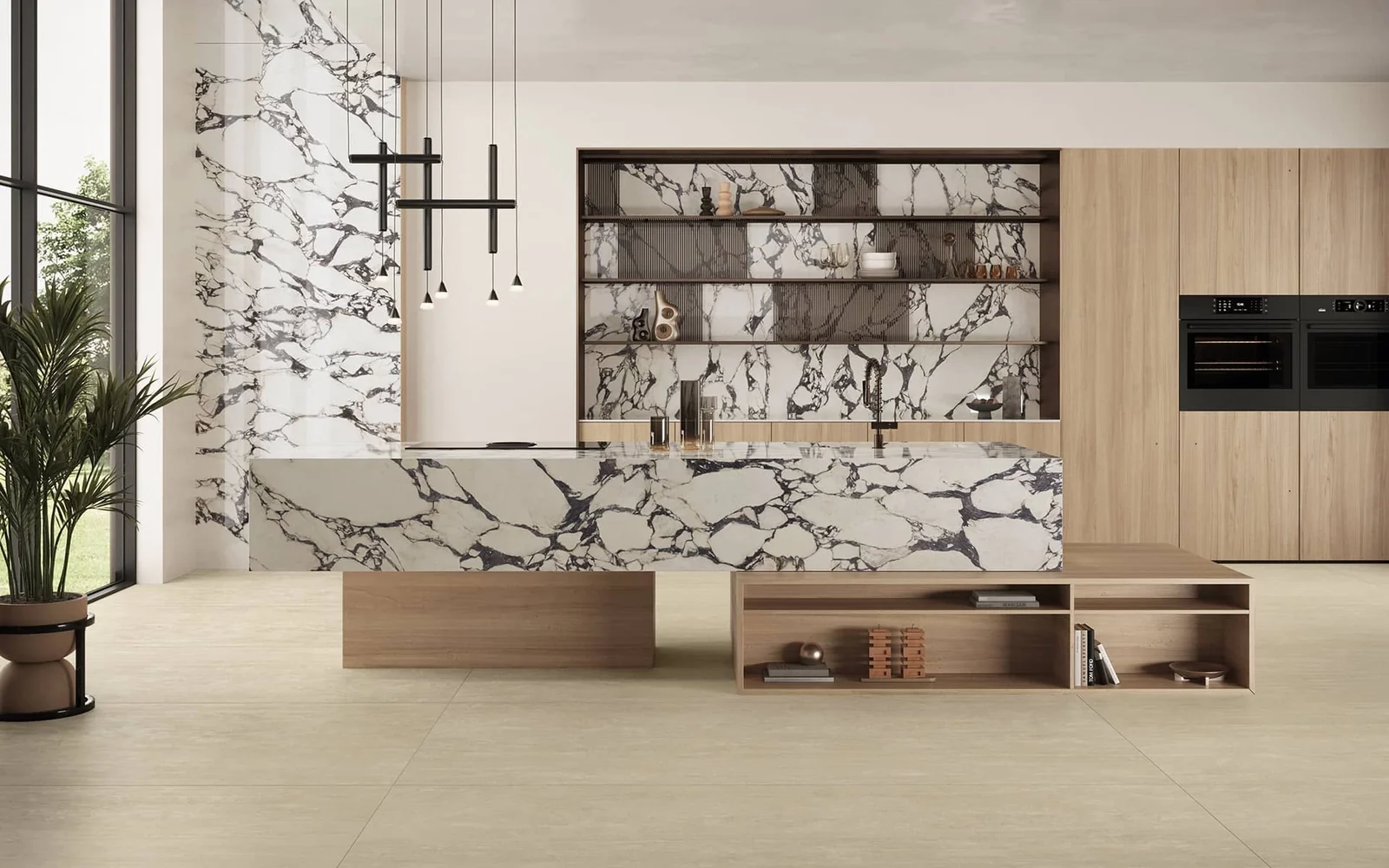
Natural veins and layers create direction. Horizontal movement can make a bar or desk feel wider. Vertical movement can add height to a column. A more scattered pattern creates a softer, less formal look.
Turn the sample in both directions and photograph it against the shape. The version that looks best flat may not be the one that feels most natural once it follows the curve.
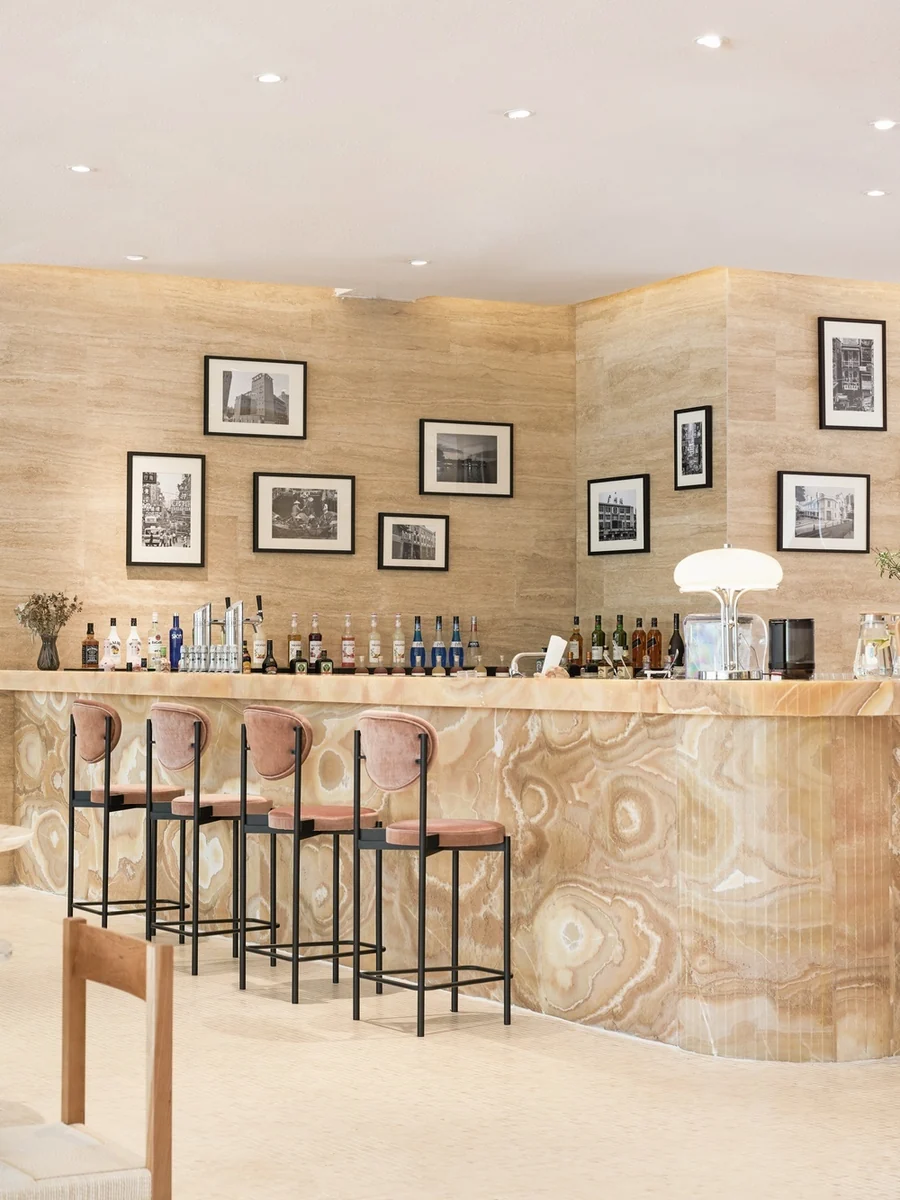
Make joins and edges part of the design
A visible join is not always a flaw. Placed well, it can follow the shape, line up with furniture or disappear into a shadow. The same is true of edges: a timber detail can add warmth, a dark line can create definition, and a gentle return can make the piece feel continuous.
Look at the shape from the route people will actually take through the room. Put the quietest joins away from the main view and keep the most expressive part of the stone where it can be enjoyed.
Try the hardest area first
Before committing, make a full-size test of the tightest curve or most visible corner. This lets you see how the pattern moves, where a join feels natural and whether the edge looks as clean as you imagined.
Some stones follow curves more easily than others. A photo, sketch and approximate size are usually enough for us to help narrow the options.