Room-by-room ideas
Eight Ways to Bring Natural Stone Into a Room—Without Covering Every Wall
One thoughtful stone detail can change the whole room. Explore eight places where natural color, texture, and movement can make the strongest impression.
Where could one stone detail make the biggest difference in my room?
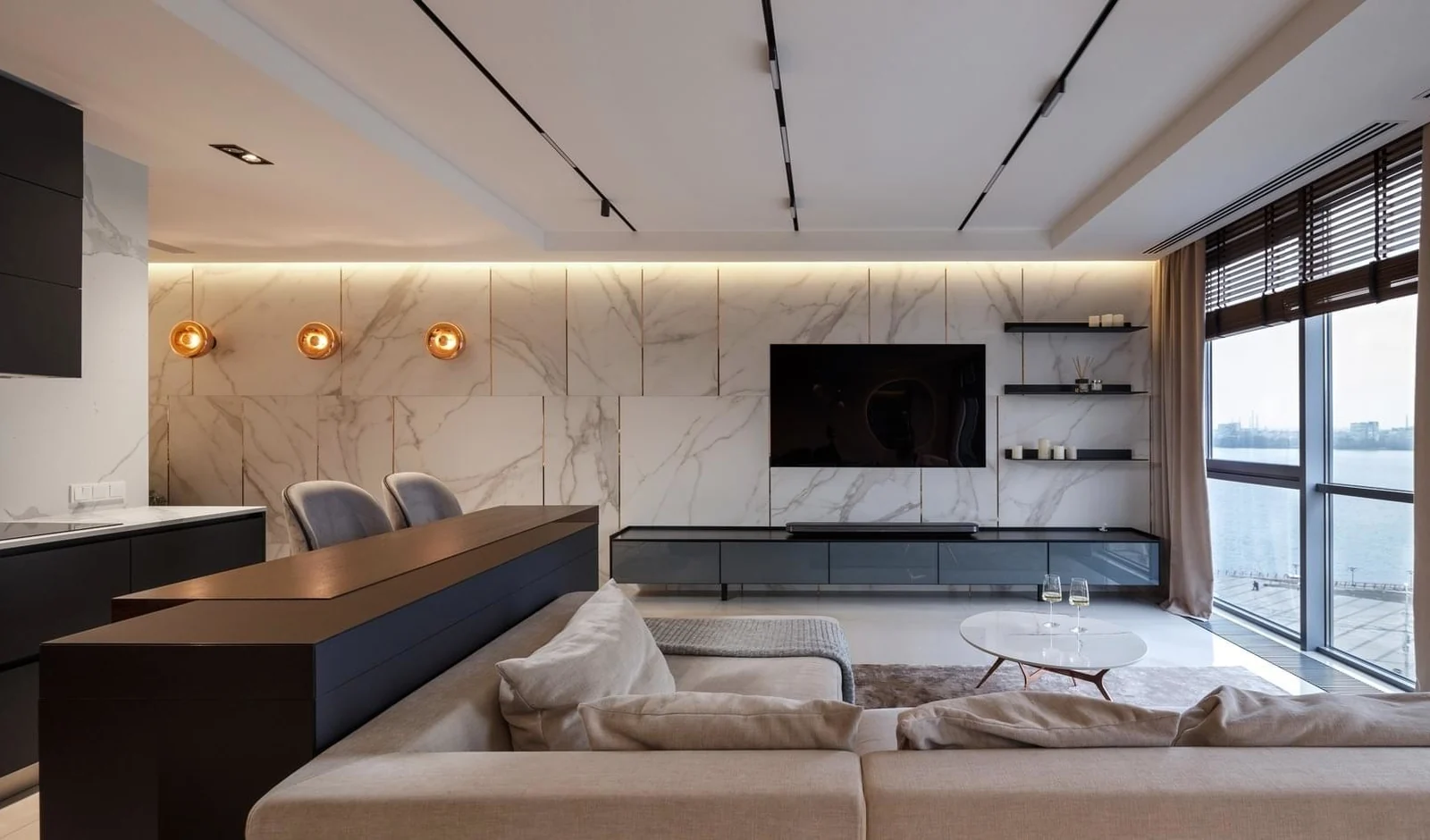
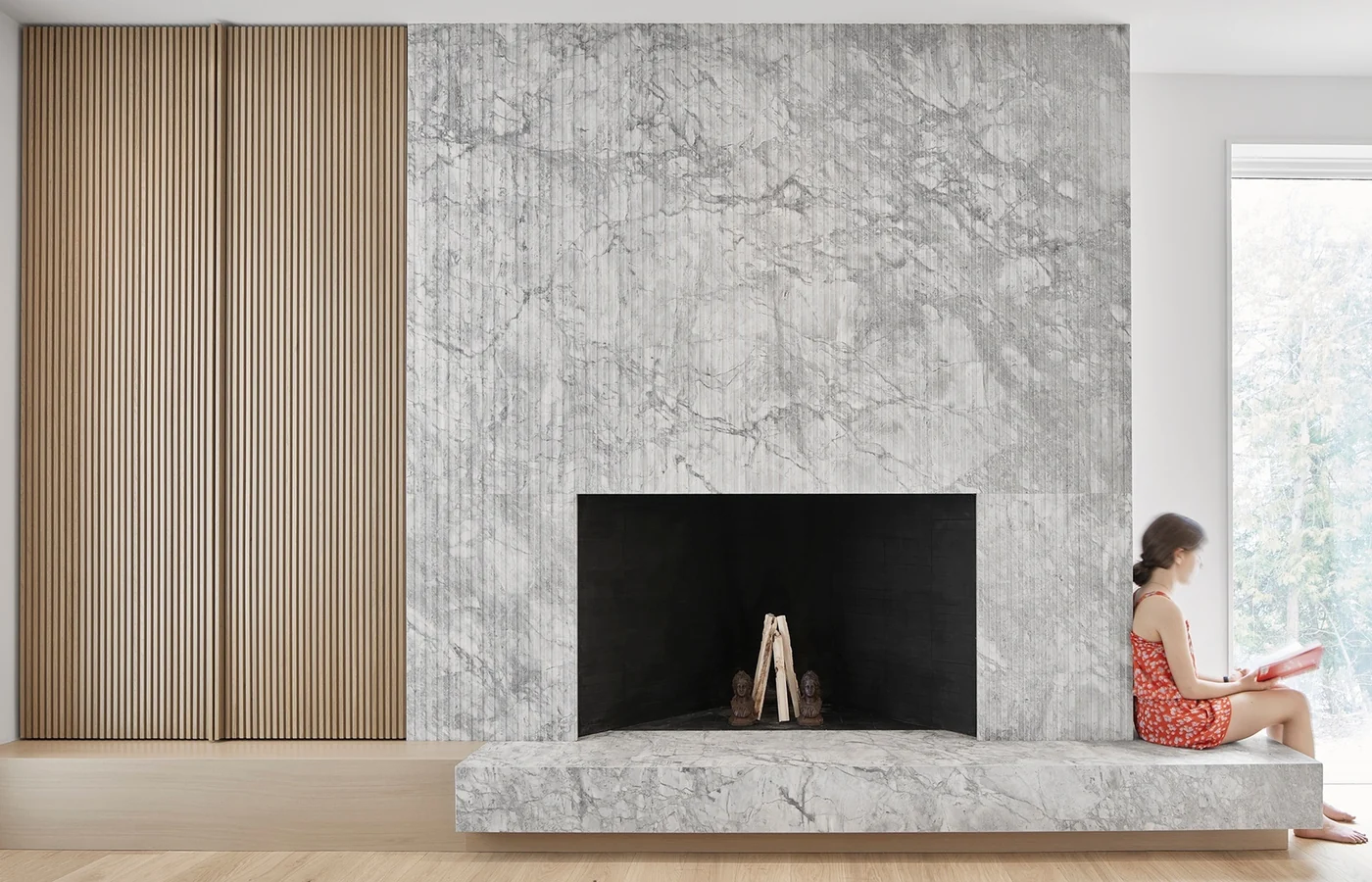
Natural stone does not have to cover the largest wall in the room to make a difference. A single, well-chosen detail can add depth, warmth or a moment of surprise. The best place to begin is the part of the room you already notice: where you arrive, gather, sit or switch on the evening lights.
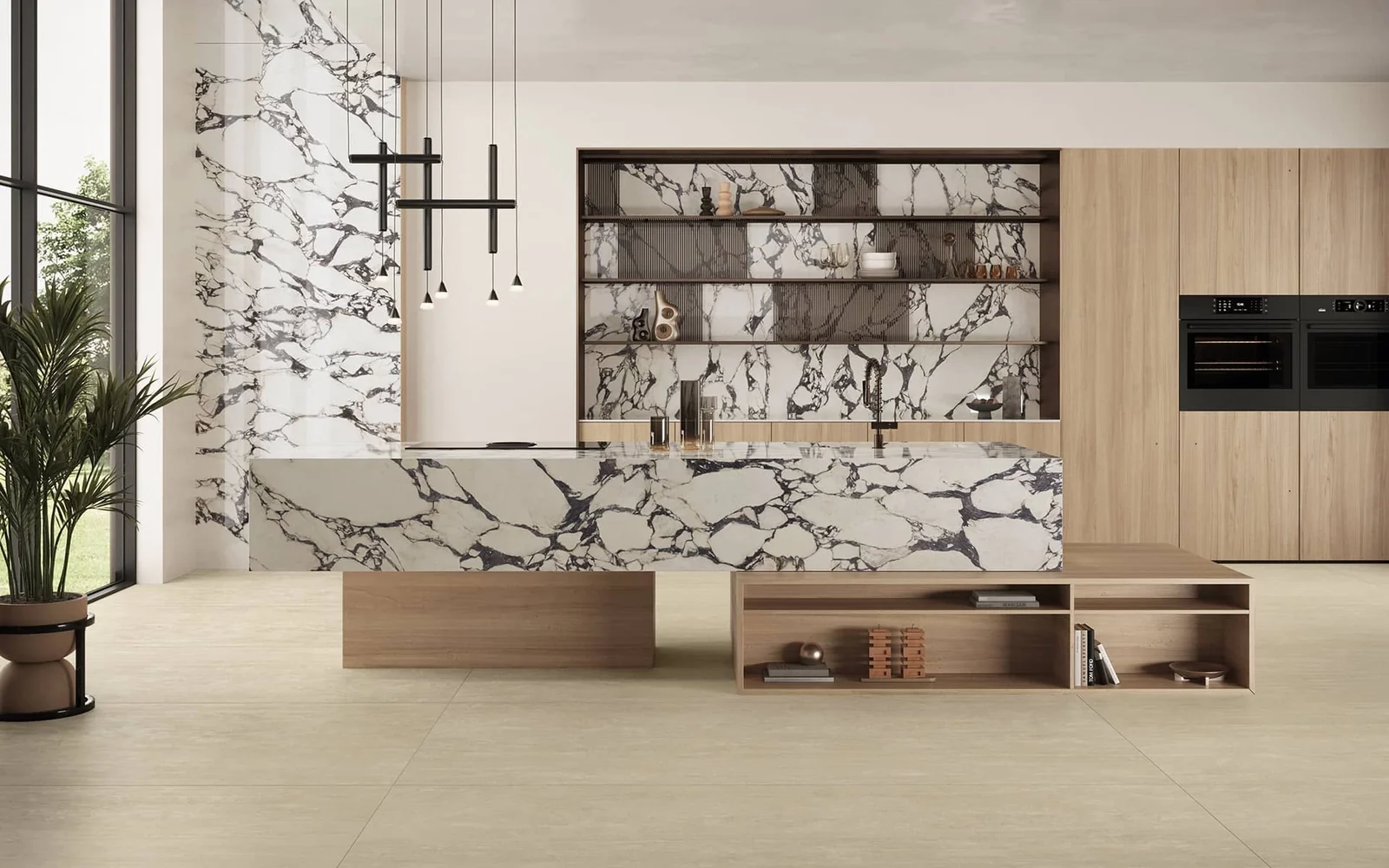
Eight places worth looking at again
Use these ideas as prompts. One may be enough; two can create a gentle thread through an open-plan space.
The wall you see first
An entrance or living-room wall sets the tone before the rest of the room comes into focus. Choose a stone with enough character to hold that first view, then let nearby paint and furniture stay quiet.
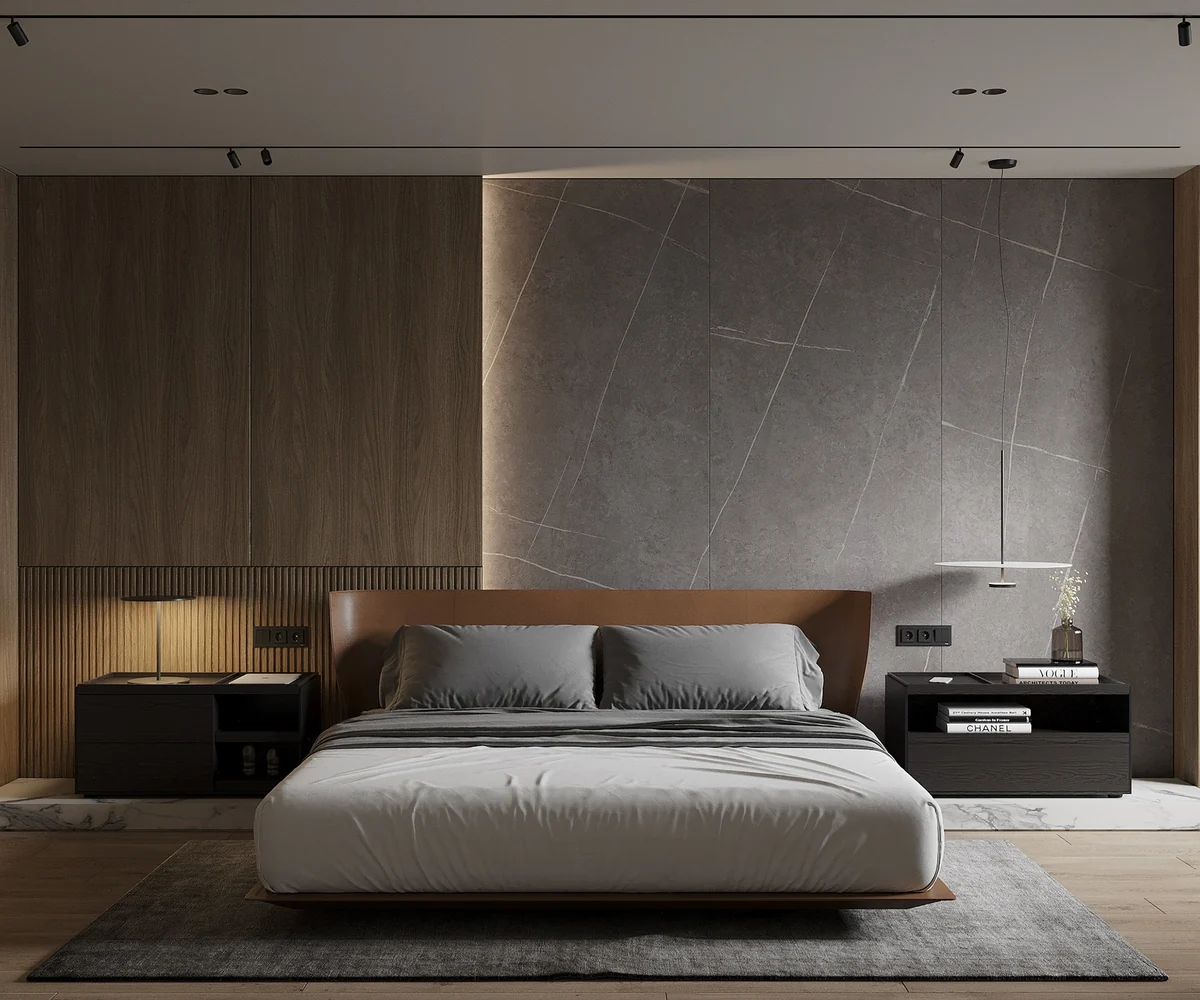
Behind the bed
Soft movement and warm evening light can make a bedroom feel calm without adding more objects or decoration.
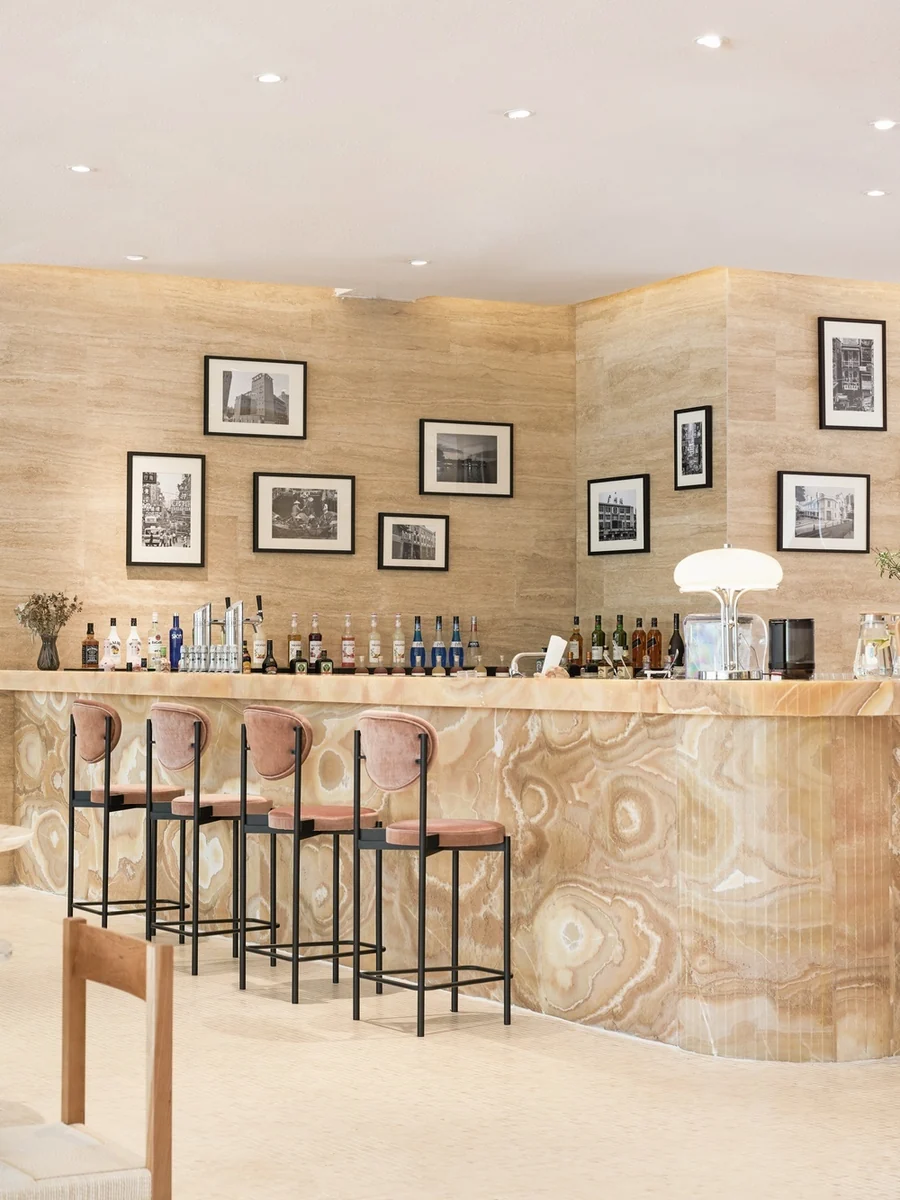
A bar or island front
The vertical face is visible from across the room and can turn a familiar gathering place into a focal point.
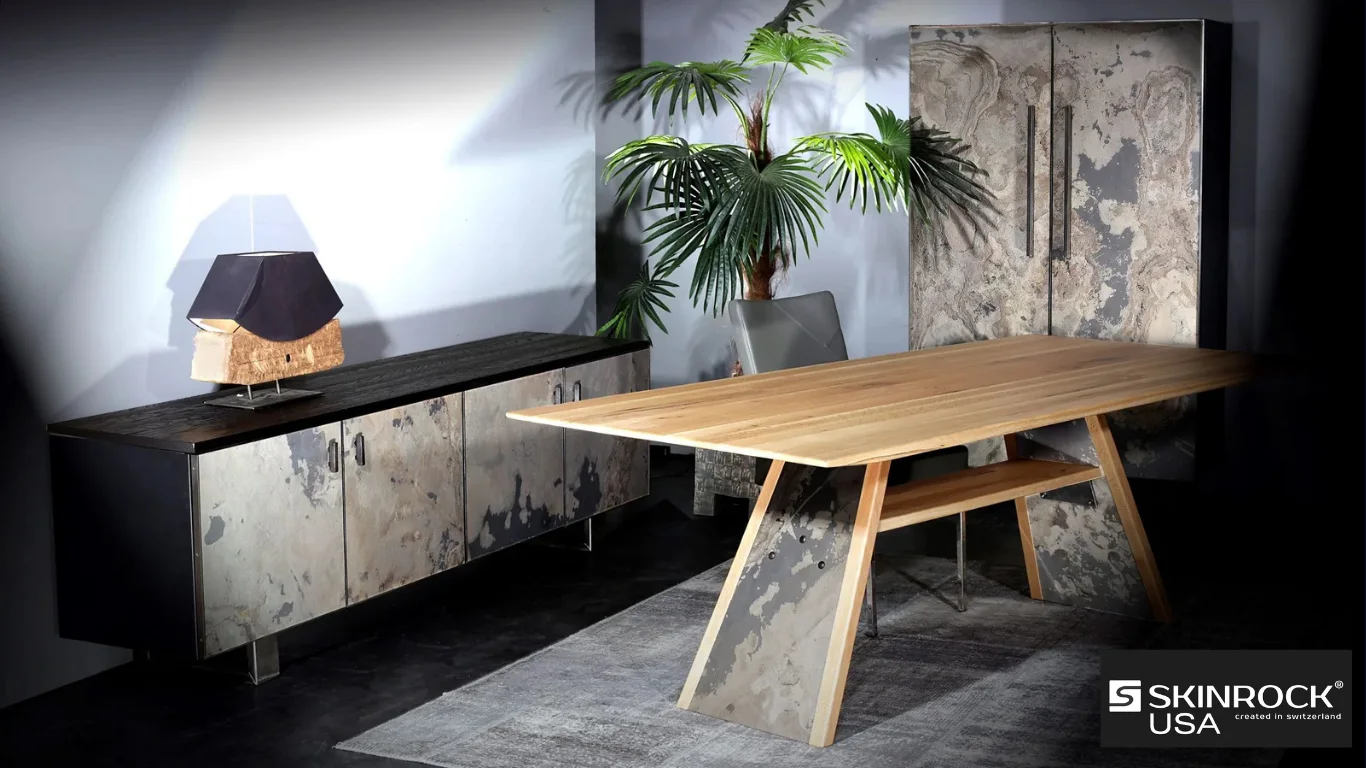
Furniture doors
A sideboard, cabinet or wardrobe can carry a small area of stone beautifully. It is an easy way to add texture without changing the architecture.
A niche or shelf back
Stone behind books, ceramics or lighting gives a shallow detail more depth. Keep the objects simple so the natural pattern remains visible.
A curved feature
A rounded bar, column, or reception desk can feel softer when the stone follows its shape. Selected stones suit curves, so describe the form before choosing.
Above eye level
A ceiling panel or overhead detail creates an unexpected moment in a dining space, lobby or bar. Suitability and lighting should be reviewed for the exact project.
A backdrop for art
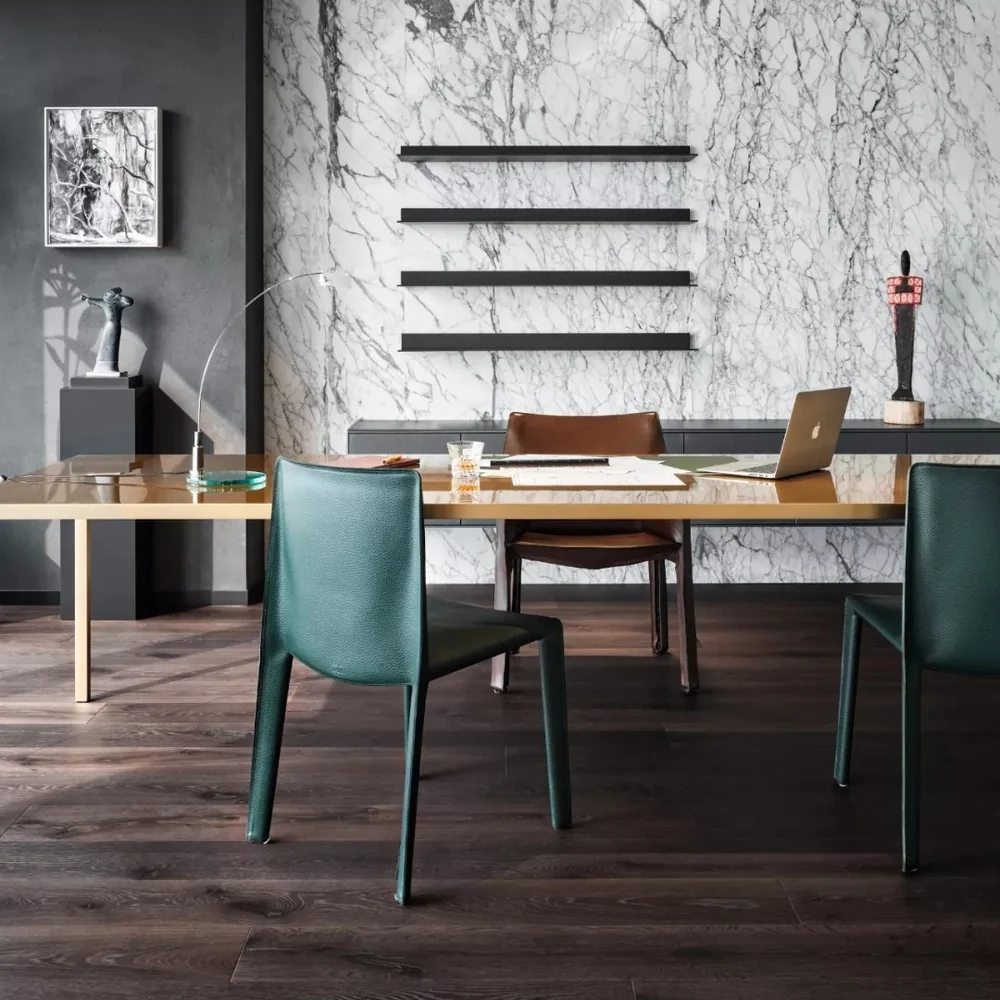
Stone can frame one picture, sculpture, or favorite object. Look for a pattern that supports the piece instead of competing with it, and leave enough empty space around both.
Choose one clear idea
Stand at the doorway and notice where your eye goes first. That is usually a stronger starting point than choosing the biggest empty wall. Then decide what you want the stone to do: bring calm, add contrast, warm the room, or create an evening feature.
Carry a sample through the space. Hold it upright, place it beside wood, metal, and paint, and view it from the distance you normally sit or walk past. The right position often becomes obvious before the exact color does.