Choosing your stone
Choosing Thin Natural Stone for Walls, Furniture, and More
Love the look of natural stone but unsure where to use it? This guide helps you choose an option that suits your room, your style, and everyday life.
Where can I use thin natural stone, and which look is right for my space?
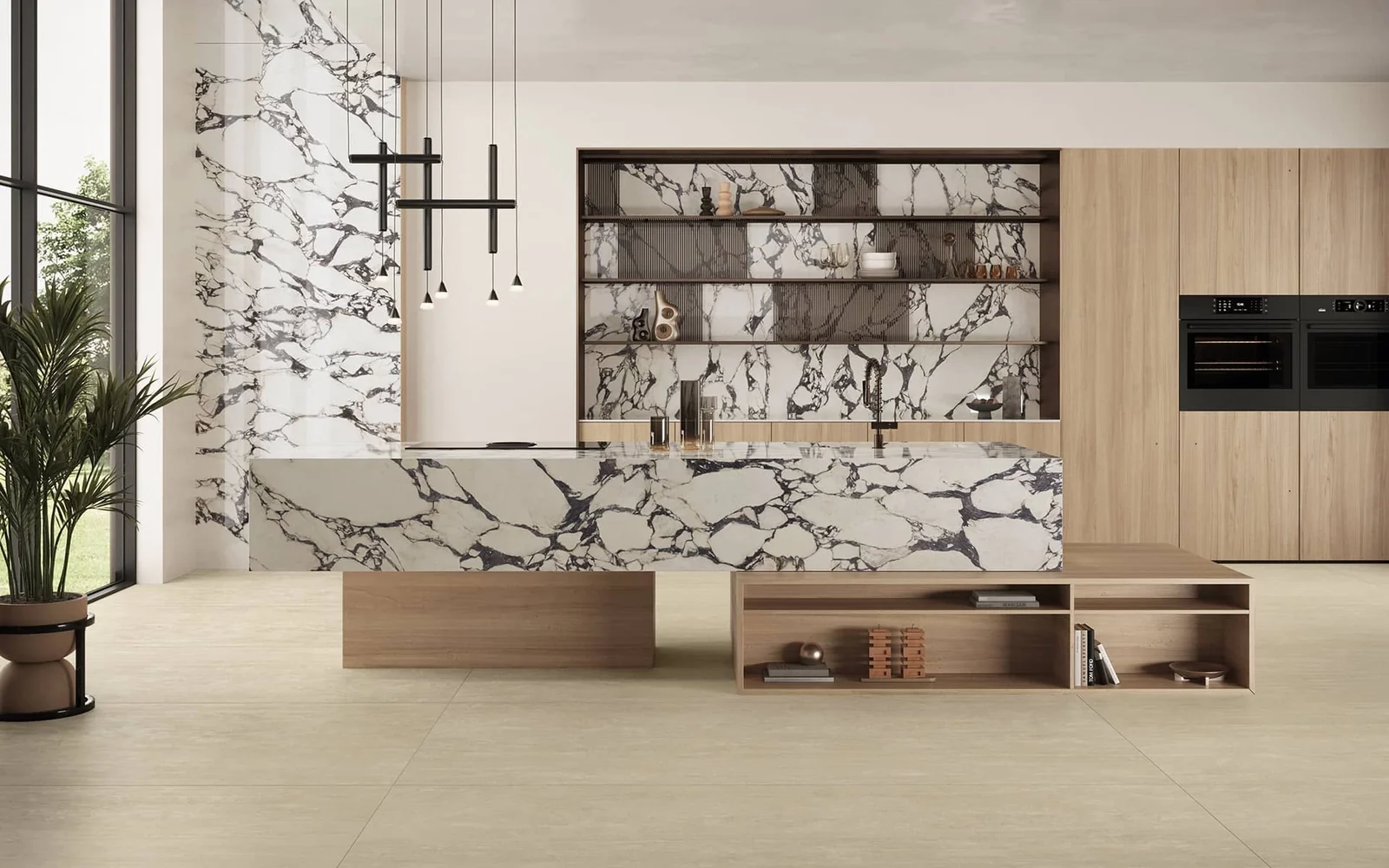
If you love the individuality of real stone but a traditional slab feels too heavy or limiting, thin natural stone opens up more of the room. It can bring texture to feature walls, furniture, cabinetry, and selected curved details. Every piece carries its own color and mineral movement, so the finished space feels natural rather than repeated.
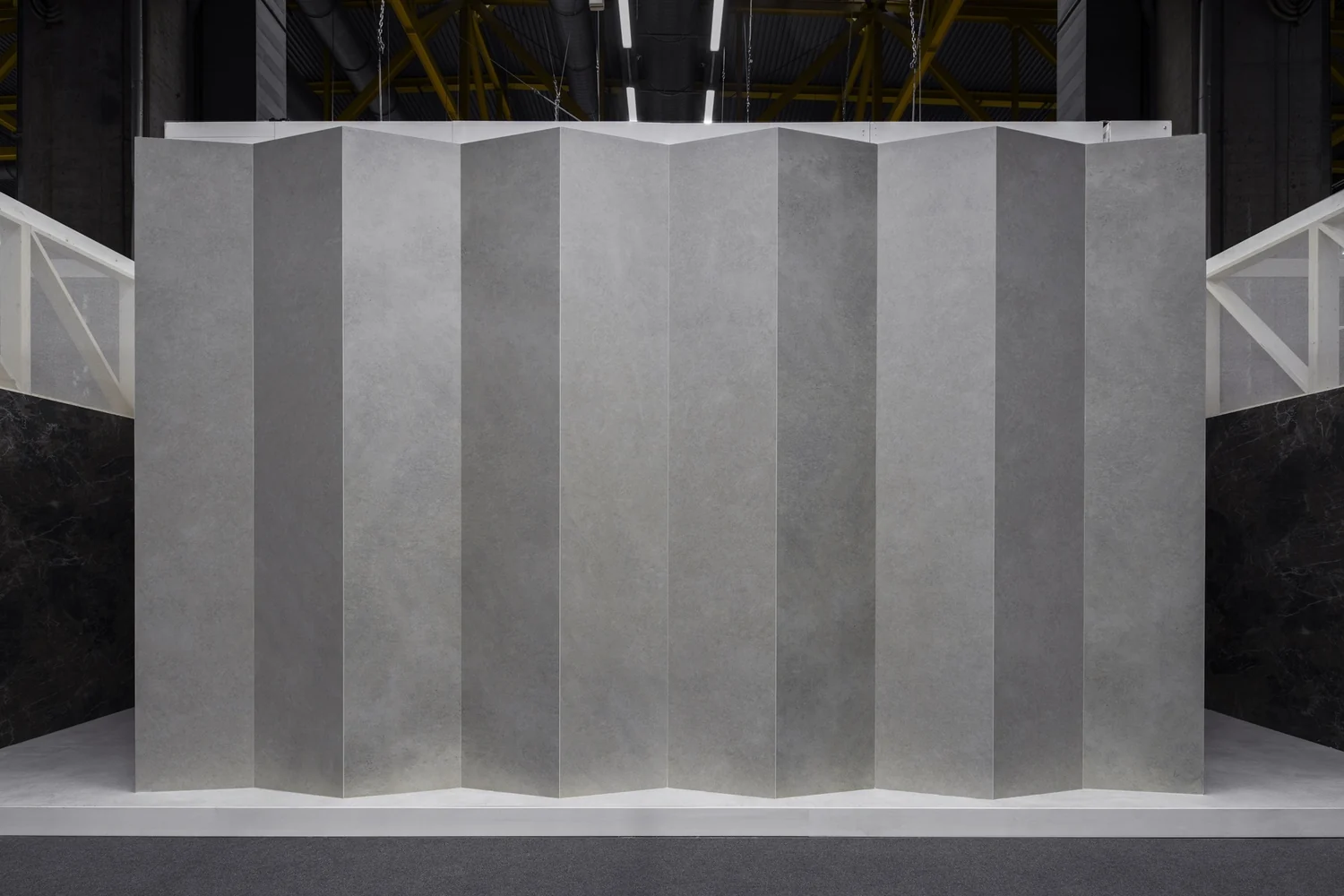
Real stone, made easier to bring into a room
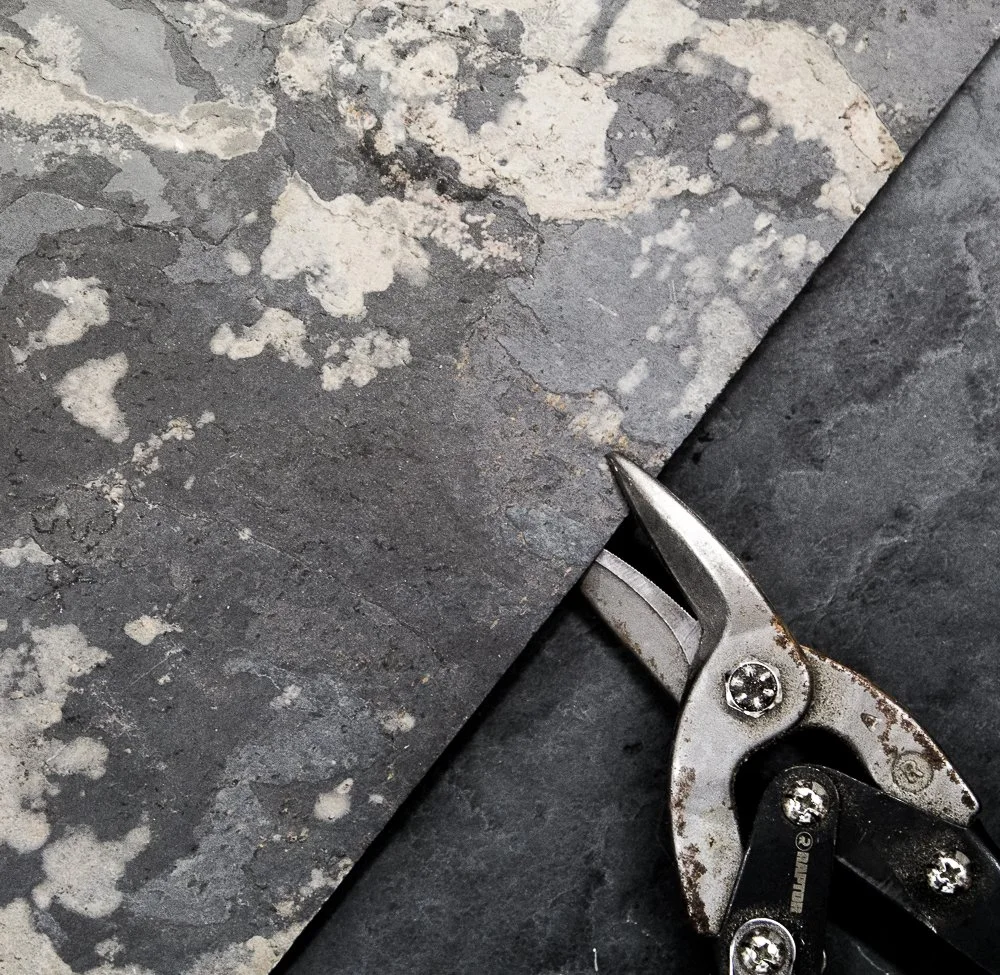
The visible face is genuine natural stone supported by a lighter layer behind it. You still see and feel real mineral texture, but the slimmer form creates possibilities that are difficult to achieve with a thick slab.
The important part is not memorising product terms. Start with the place you want to transform, how you use it and the feeling you want the stone to create.
Where it can change the space
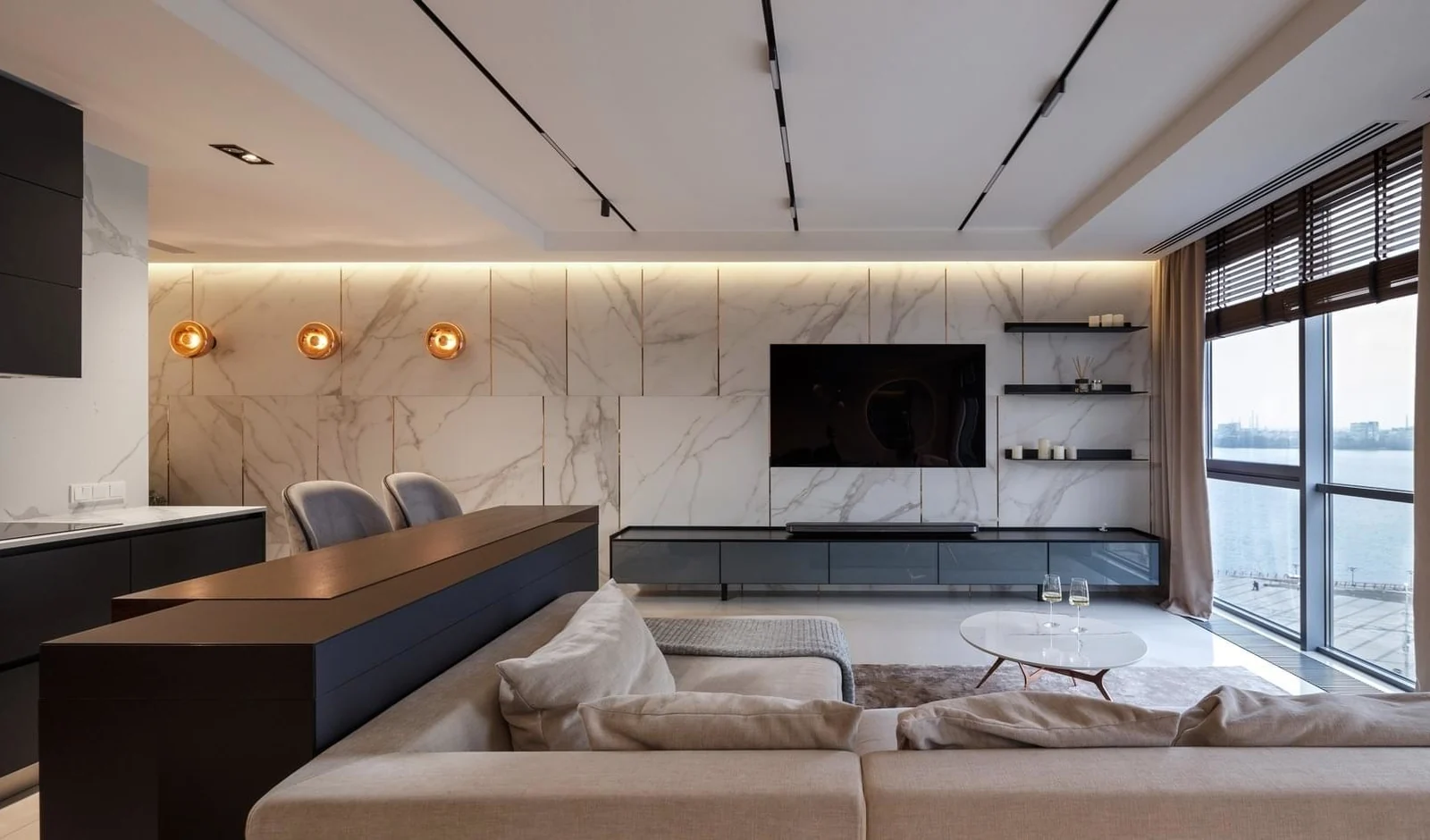
Feature walls
Create a natural focal point without making the room feel visually heavy.
Furniture and cabinetry
Bring stone texture to doors, desks, shelving and built-in pieces.
Curved details
Selected stones can follow rounded bars, columns and furniture.
Feature lighting
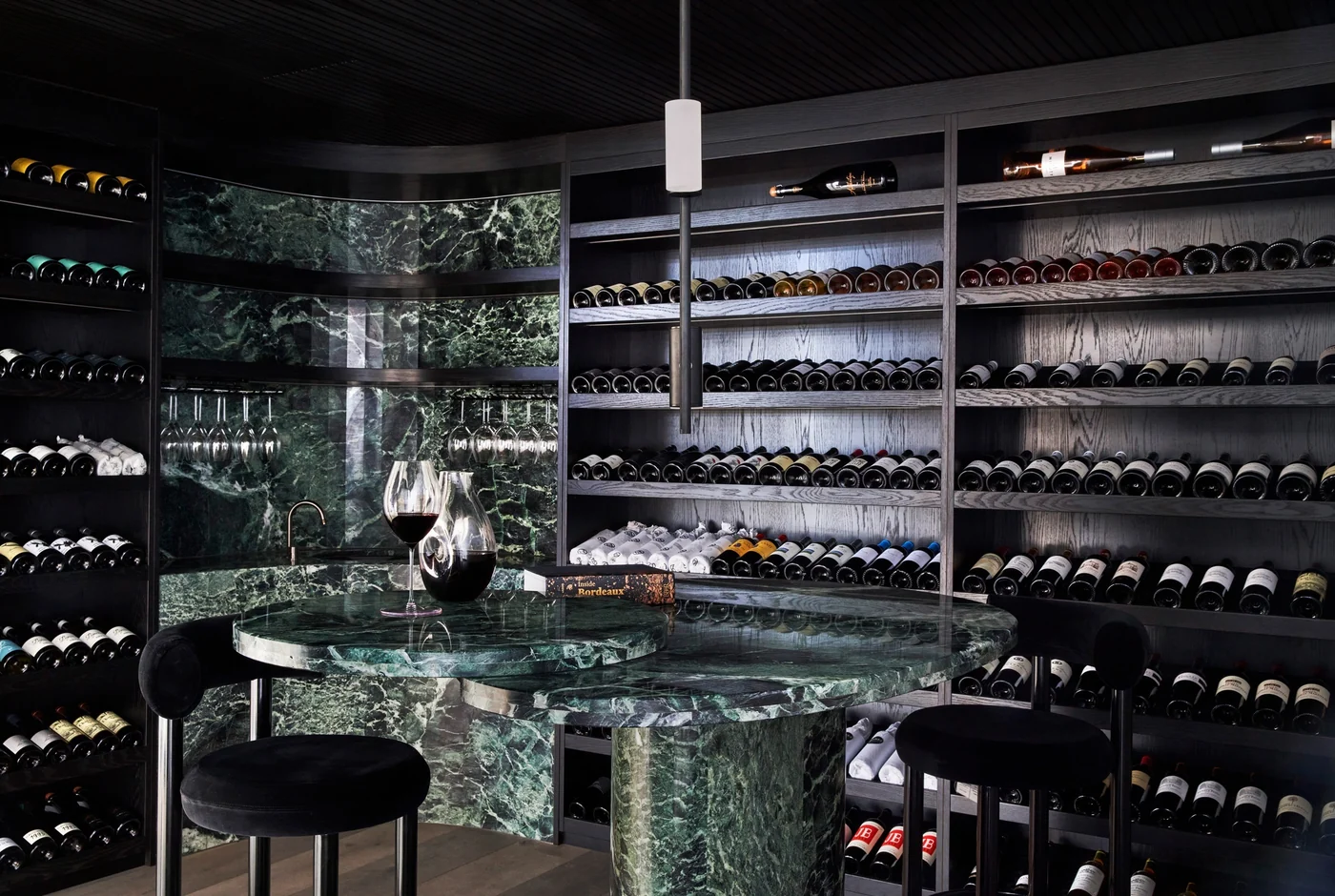
Some stones can glow when lit from behind and become an evening focal point.
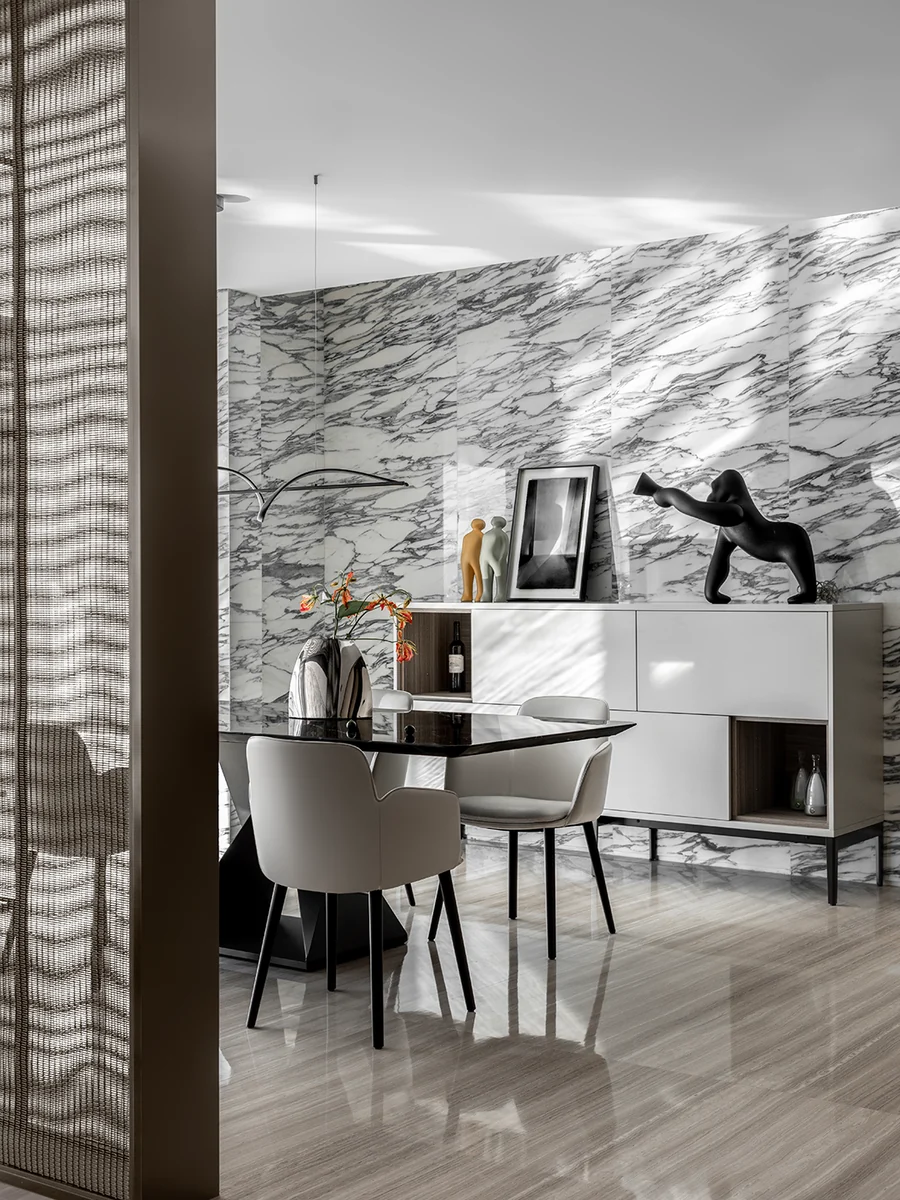
Choose character before an exact color
Natural stone is at its best when its variation is part of the idea. Decide whether you want a calm background or a bold surface that leads the room. A lively stone can look beautiful beside simple wood and quiet paint. A softer stone leaves more room for artwork, furniture, and color.
Instead of trying to match every beige, gray, or white perfectly, look at whether the materials feel warm or cool together. Small differences create depth and stop the room from feeling overly coordinated.
Always see it in person
A screen helps you find a direction, but a sample shows the real texture, sheen, and natural movement. Place it beside your paint, wood, metal, and flooring. Hold it upright if it will become a wall. Look at it in daylight and again in the evening.
Your sample shows the stone’s character, not a pattern that will repeat exactly. Those natural changes are part of what makes the finished surface feel genuine.