Lighting ideas
How Lighting Changes the Look of Natural Stone
The same stone can feel calm, richly textured, or beautifully dramatic depending on the light. Discover which approach suits the atmosphere you want.
What kind of lighting will make my stone look its best?
The same stone can feel quiet in daylight, richly textured under a close light or luminous when lit from behind. Start with the atmosphere you want, then look at the stone and the light together.
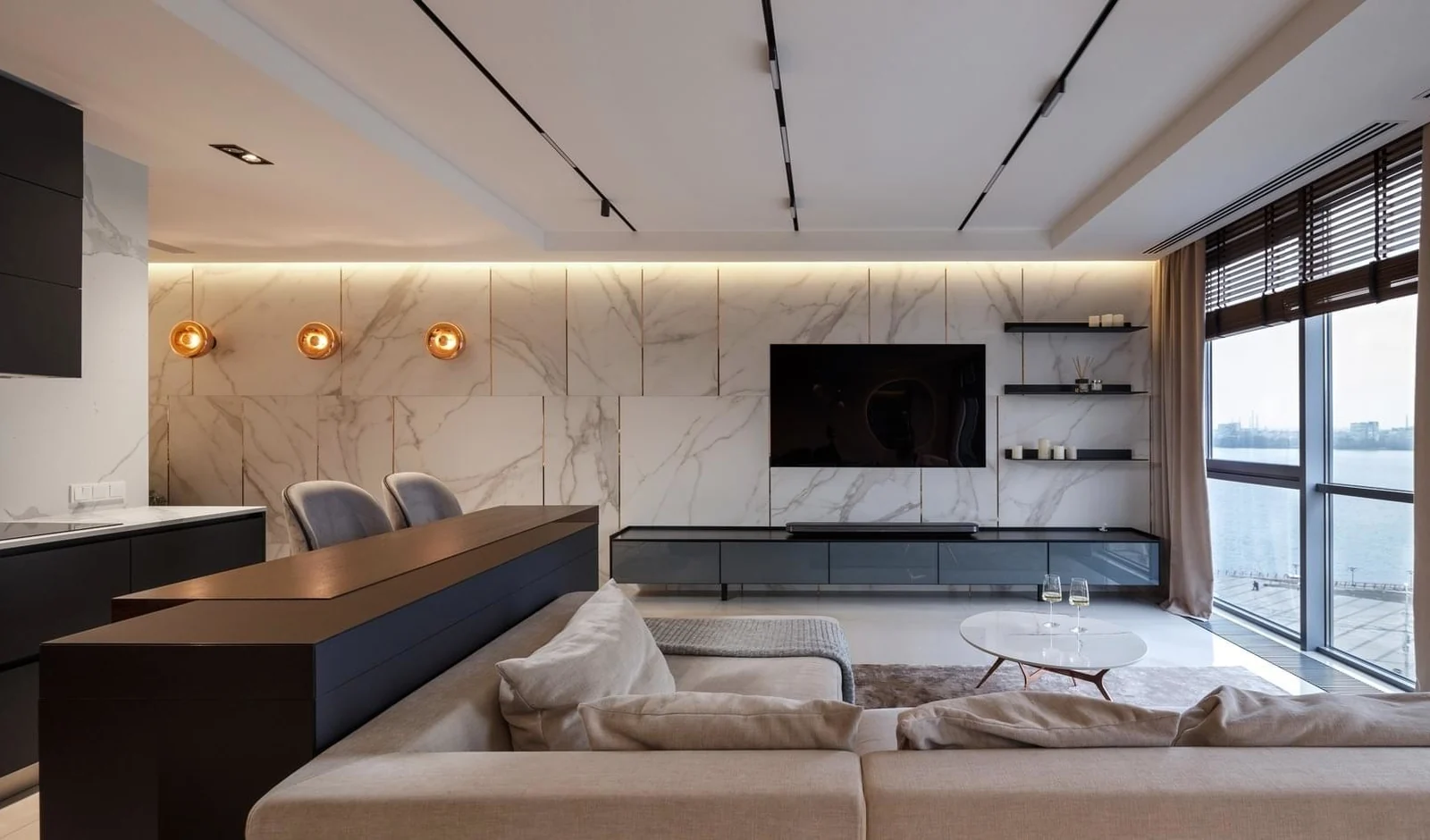
For a calm, even look
Light the whole wall softly so color and natural movement remain the focus. This works beautifully in bedrooms, living rooms, and reception spaces where the stone should feel settled rather than theatrical.
Even light is also forgiving. It lets you enjoy the material across a broad surface without making every texture or join demand attention.
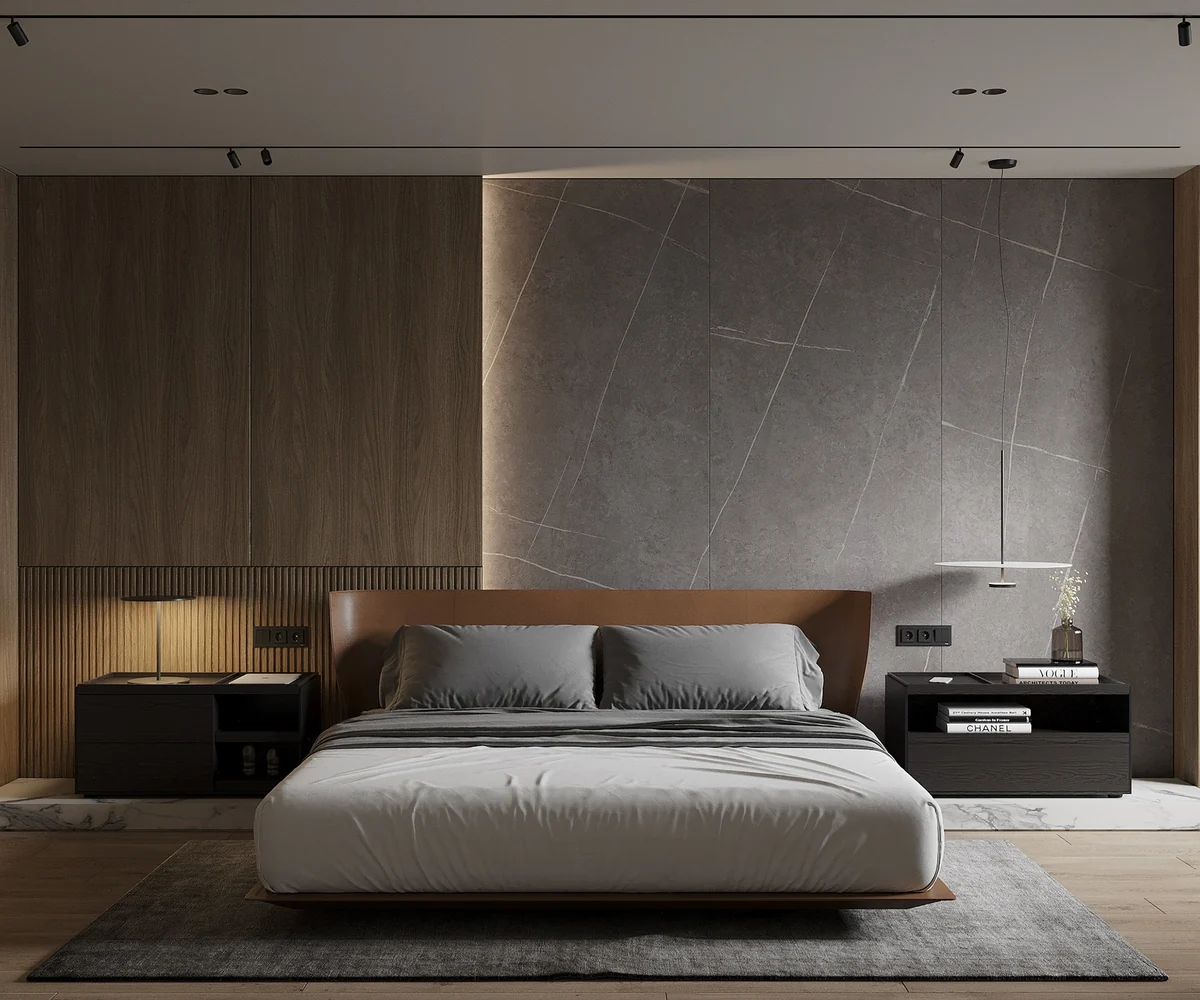
Choose the feeling first: quiet, textured or glowing.
For more texture and drama
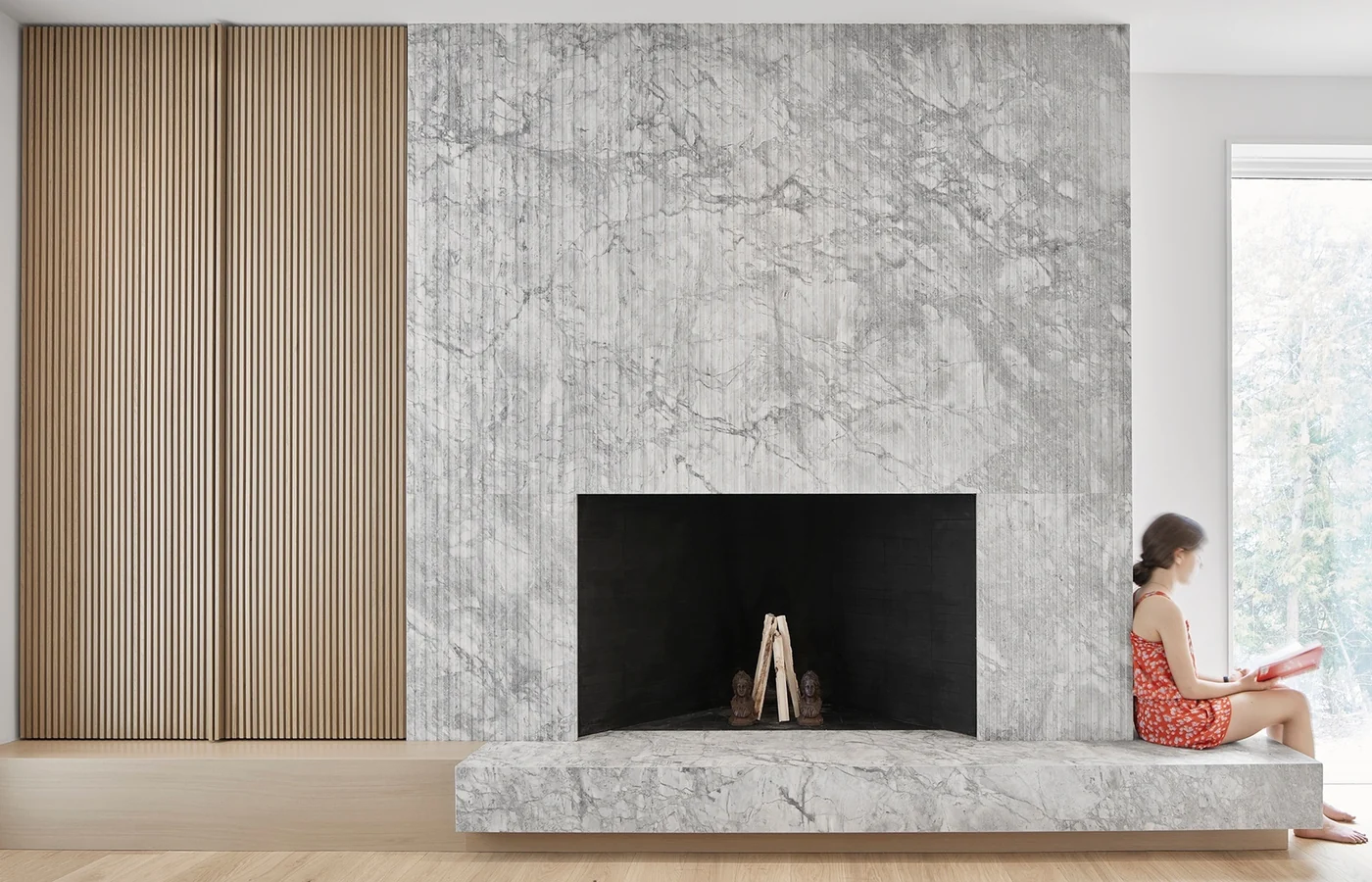
A light placed close to the wall creates deeper shadows and makes the surface feel more tactile. This is often called grazing light. It suits entrance walls, fireplace features and spaces that come alive in the evening.
Close lighting also makes uneven areas easier to notice, so try the idea on a sample or small test area before using it across the whole wall.
For a glow from behind
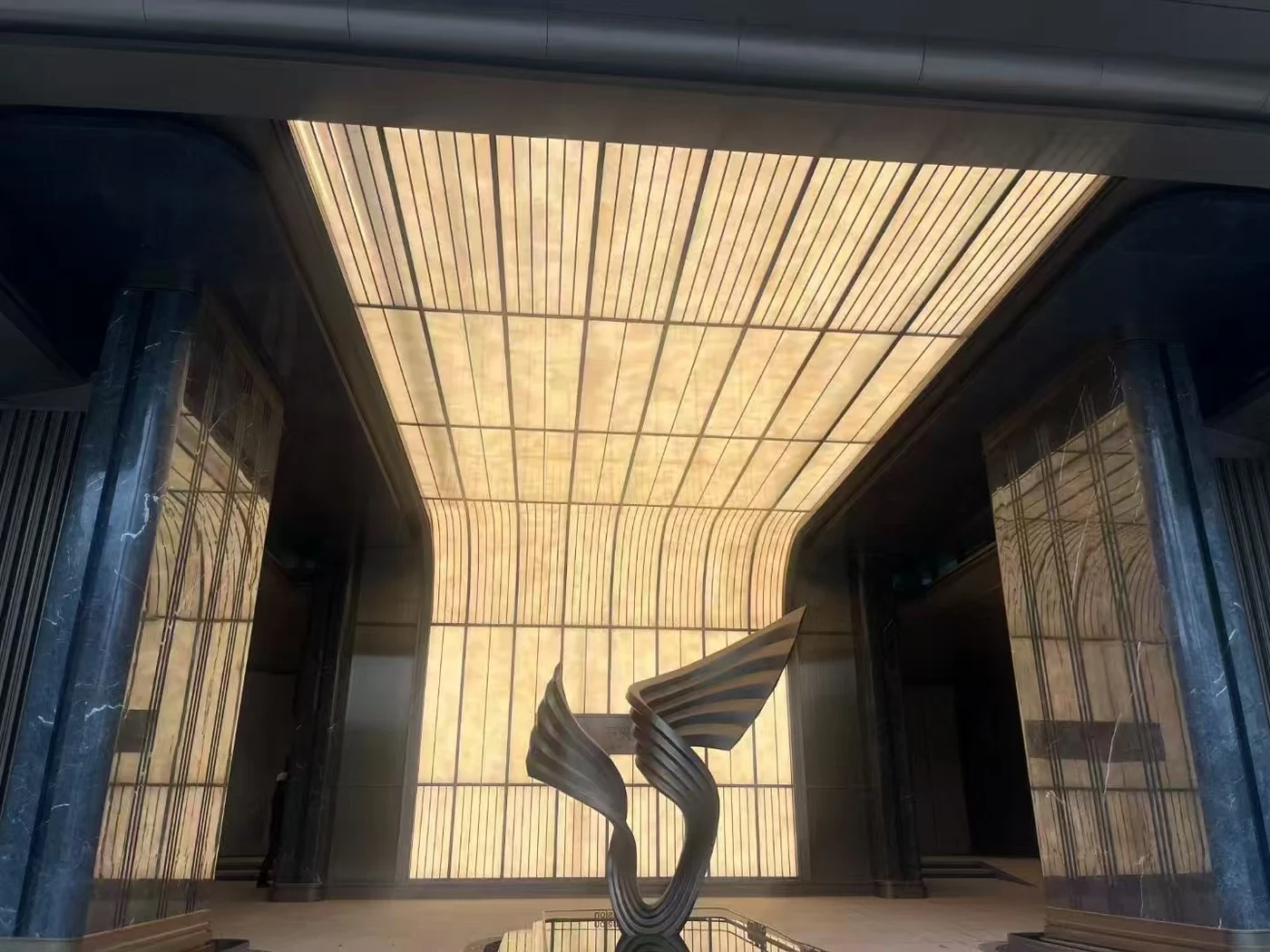
Some selected stones allow light to pass through them. The result can be soft and cloud-like or bold and jewel-like depending on the color and pattern.
Backlighting works only with stones chosen for this purpose, so ask before falling in love with the effect. Always see your actual sample illuminated; natural variation is part of the beauty.
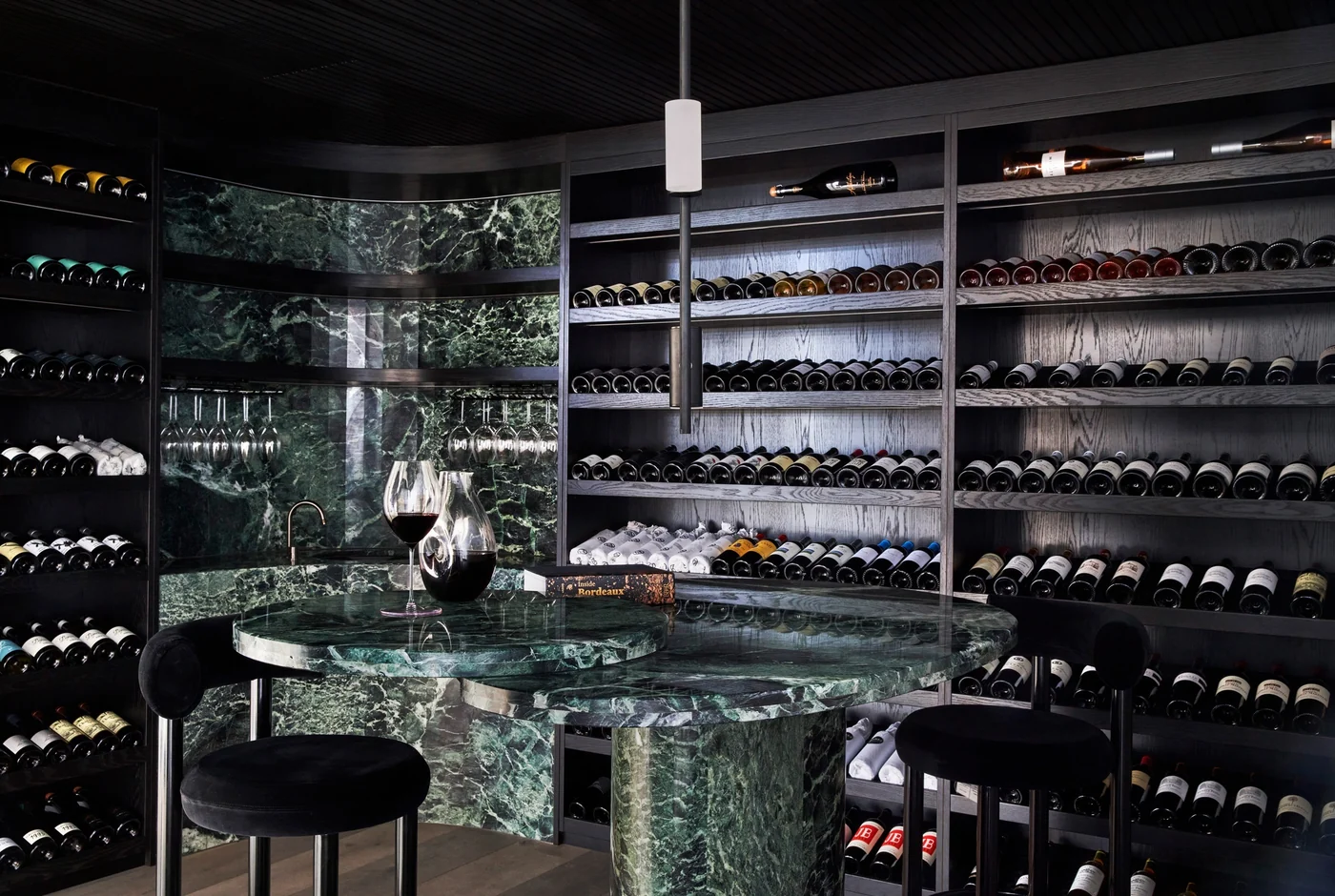
Warm or neutral?
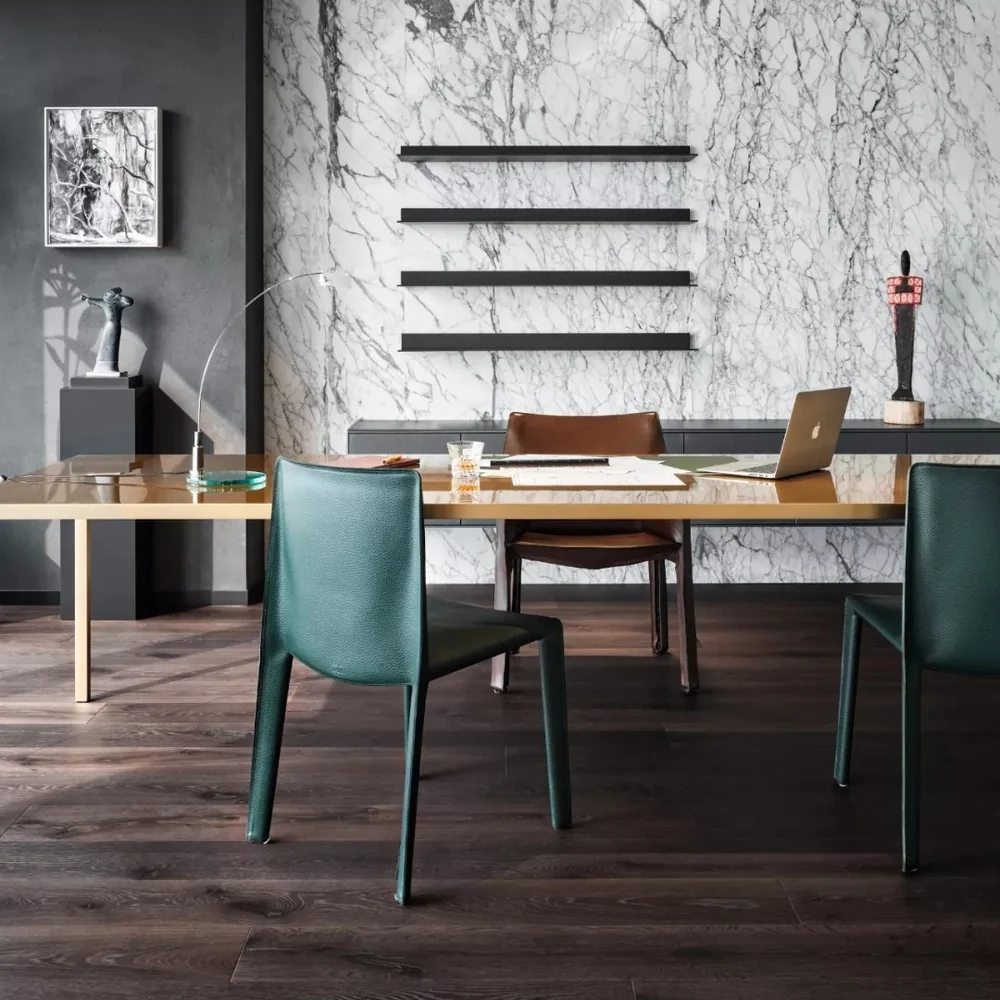
Warm light can make cream, rust, and wood feel richer. A more neutral light can keep pale gray, green, or black-and-white stone feeling crisp. Neither is automatically better—the right choice is the one that belongs with the rest of the room.
Place the sample beside your paint, metal, wood, and fabric, then look again after dark. Evening light can change the mood more than the stone itself.